
Science & Space
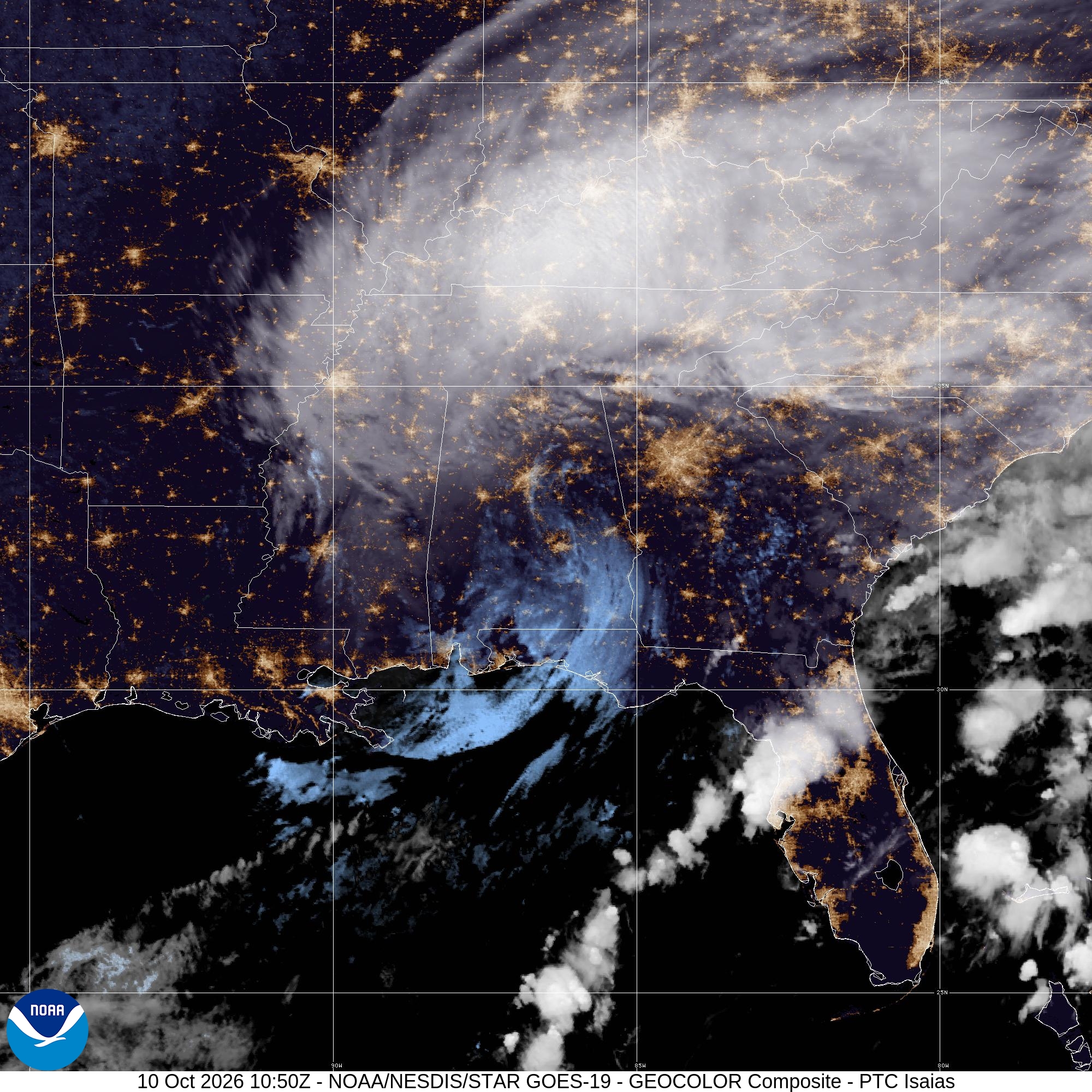
Why Isaias’s weakening winds did not end its flood threat
A look back at the October 9–10, 2026 advisories shows why a storm’s wind rating cannot serve as an all-clear for inland flooding.
Discover something unexpected. Browse our latest stories, or find your next rabbit hole.
A look back at the October 9–10, 2026 advisories shows why a storm’s wind rating cannot serve as an all-clear for inland flooding.
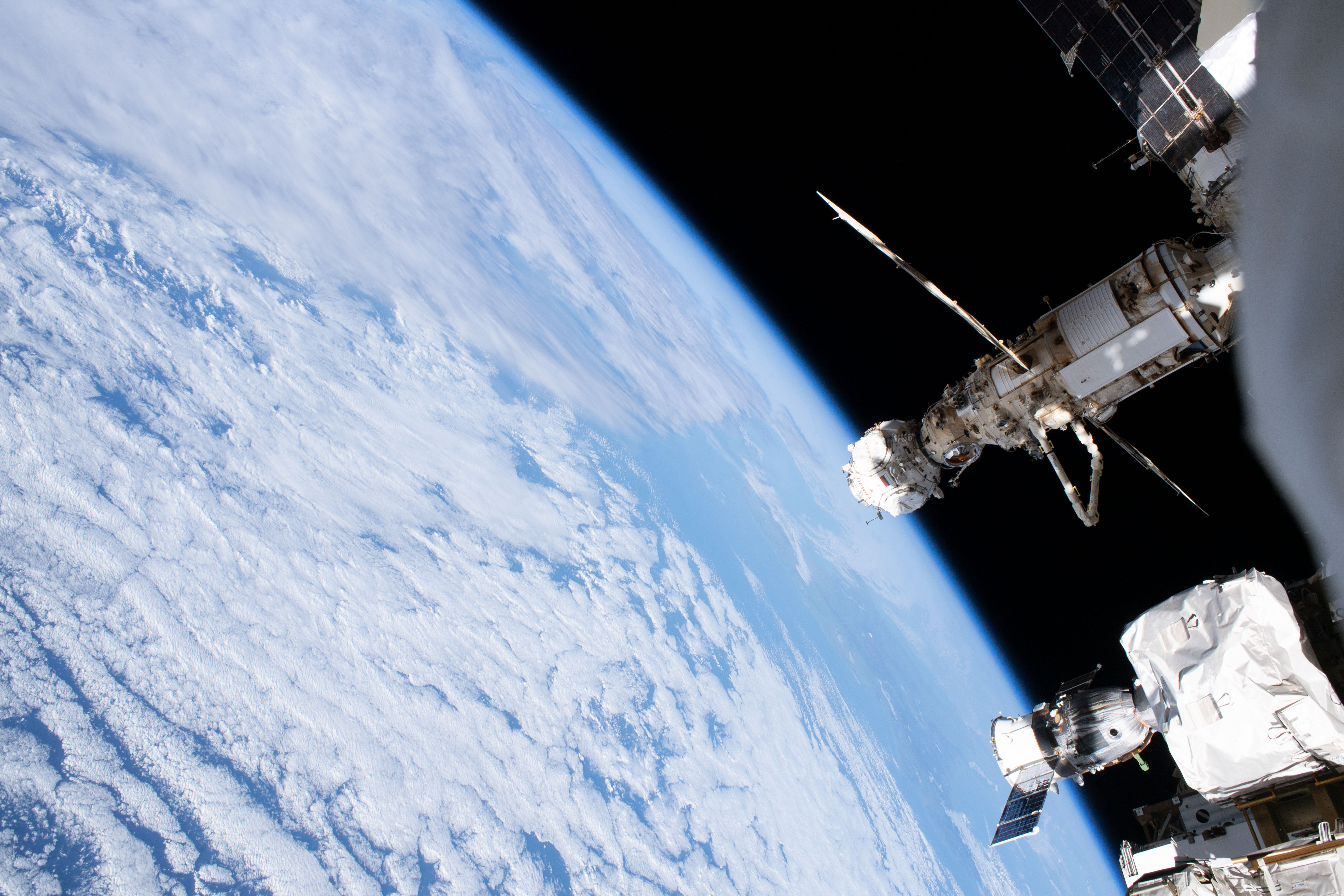
Nearly 1,670 miles from the closest coast, this South Pacific location can put passing astronauts closer than people on land. Finding its exact position is a surprisingly intricate mapping problem.
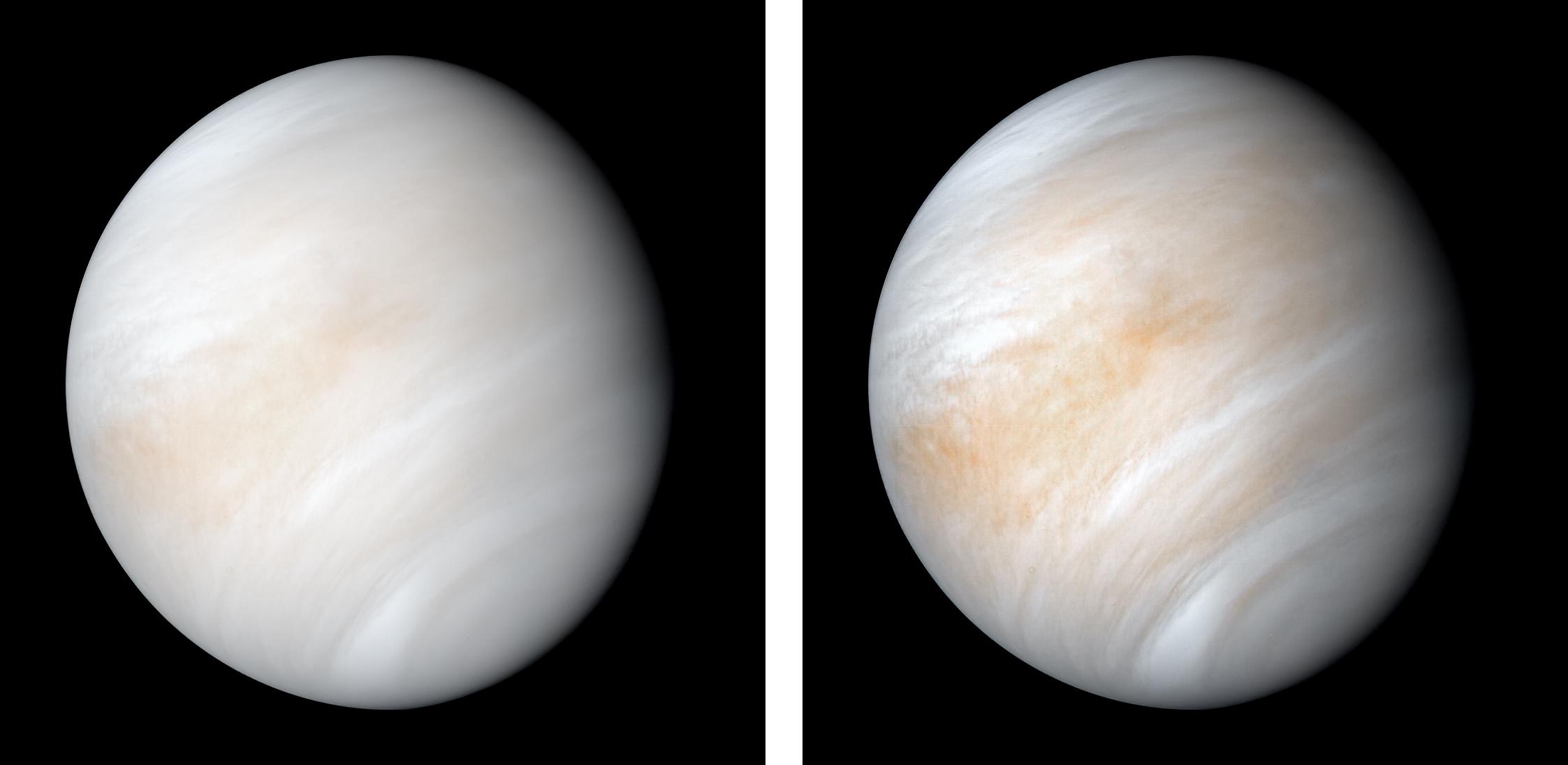
The planet’s famously slow spin comes with an important distinction: the time between sunrises is much shorter than one full rotation.
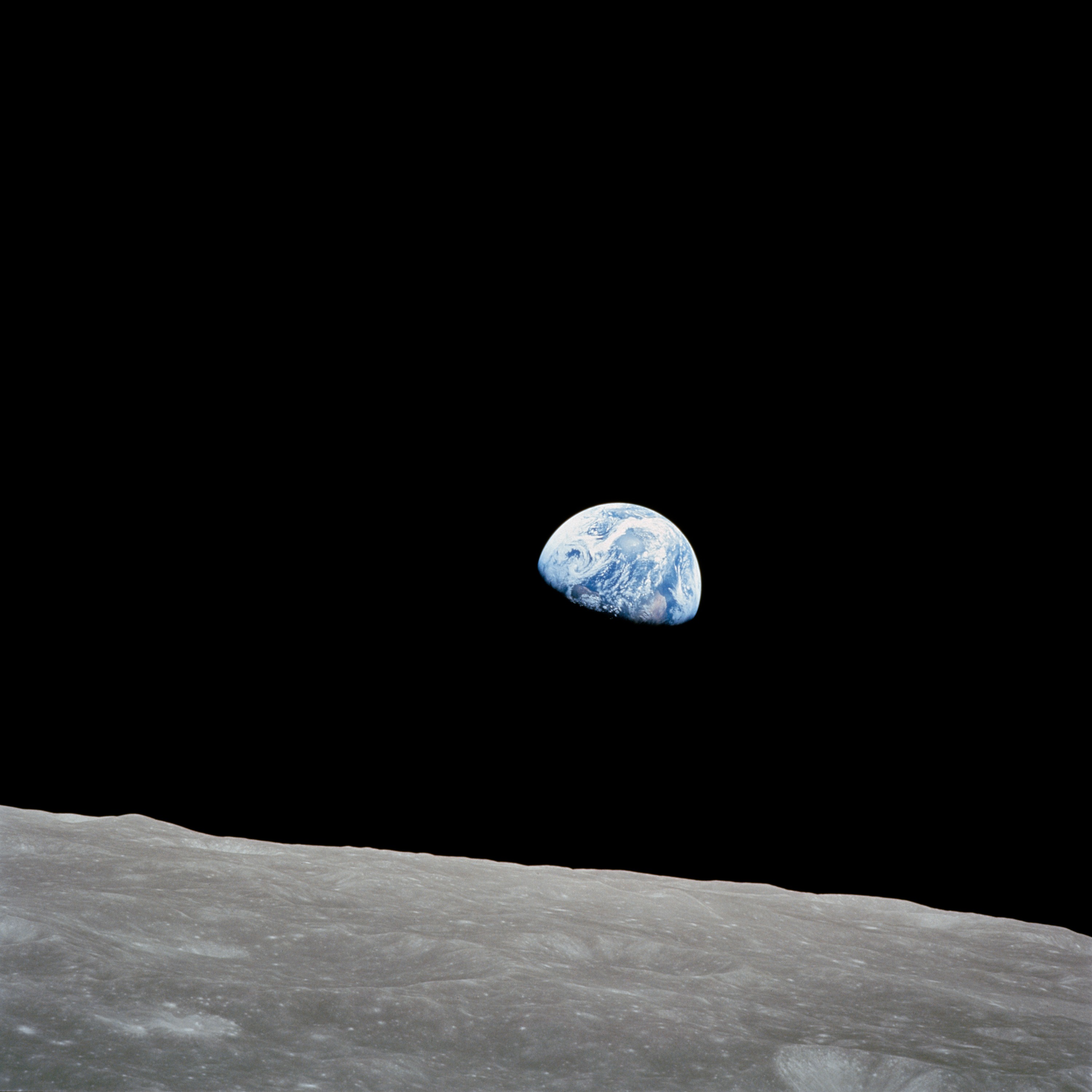
Bill Anders’s famous photograph began with an unexpected view through a spacecraft window. The onboard recording and a later lunar-data reconstruction show how all three astronauts helped capture it.
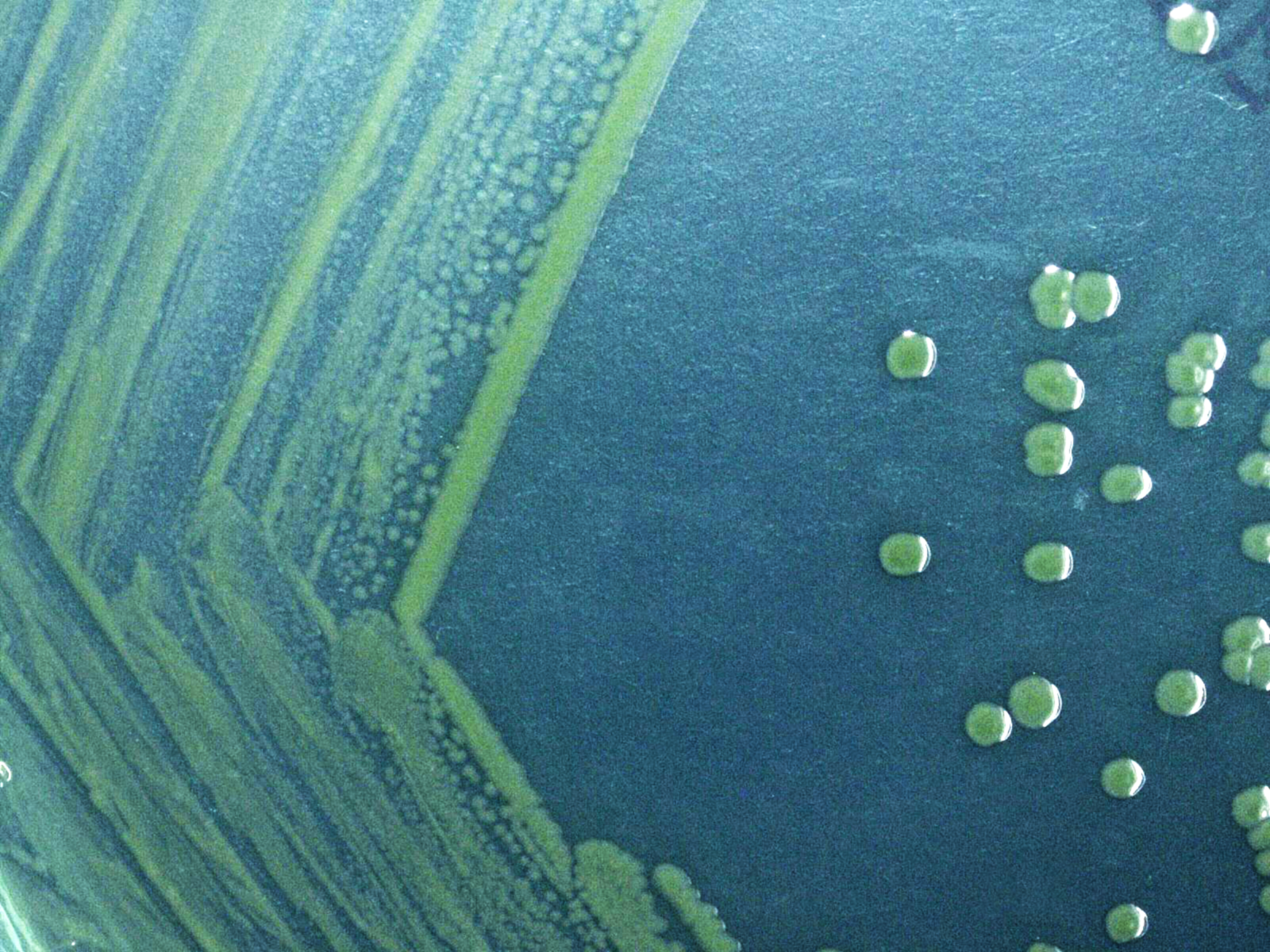
An April 2026 CDC report found a rising share of extensively drug-resistant Shigella in historical U.S. samples. Here is what the numbers mean, why “untreatable” is misleading and how the infection spreads.

A morning view released in October 2026 shows the wind-carved cliffs scientists hope to investigate as Curiosity continues climbing Mount Sharp.
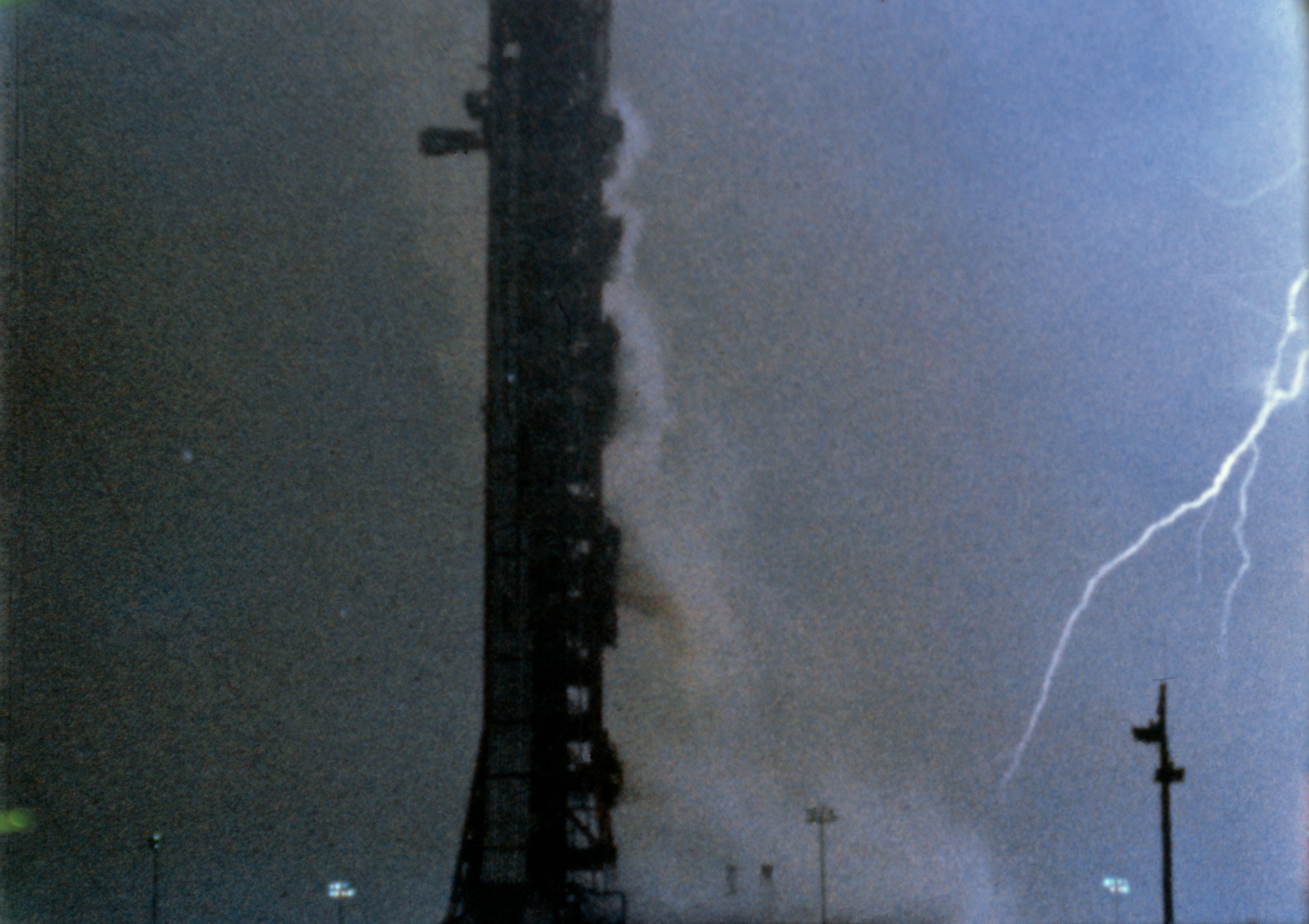
Two lightning strikes disrupted Apollo 12 less than a minute after launch. A remembered test, a rarely used switch and careful checks helped the crew continue its 1969 Moon mission.
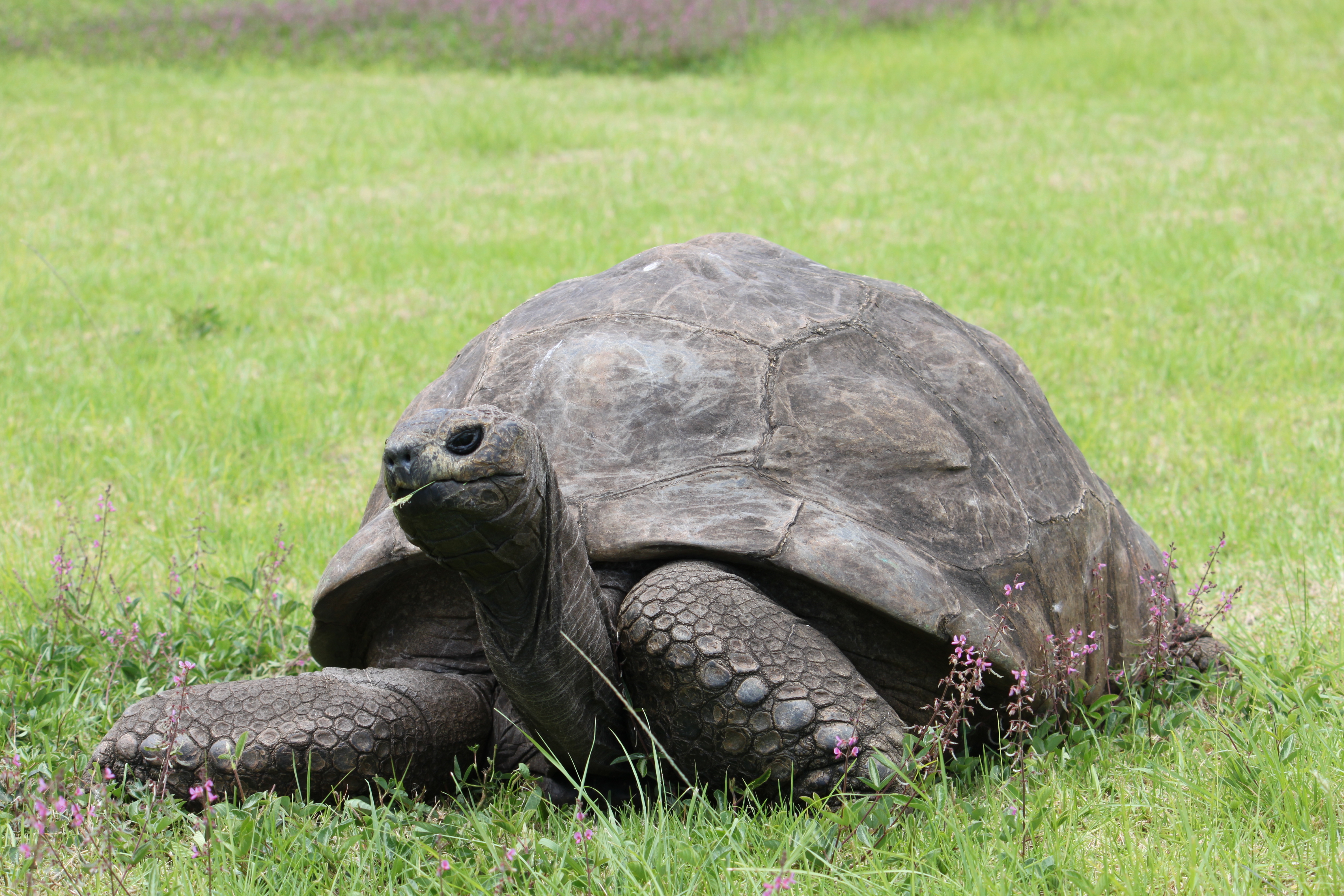
A new genetic study examines how the world’s oldest known living land animal has endured. The findings offer research leads, with important limits on what they can tell us about human aging.
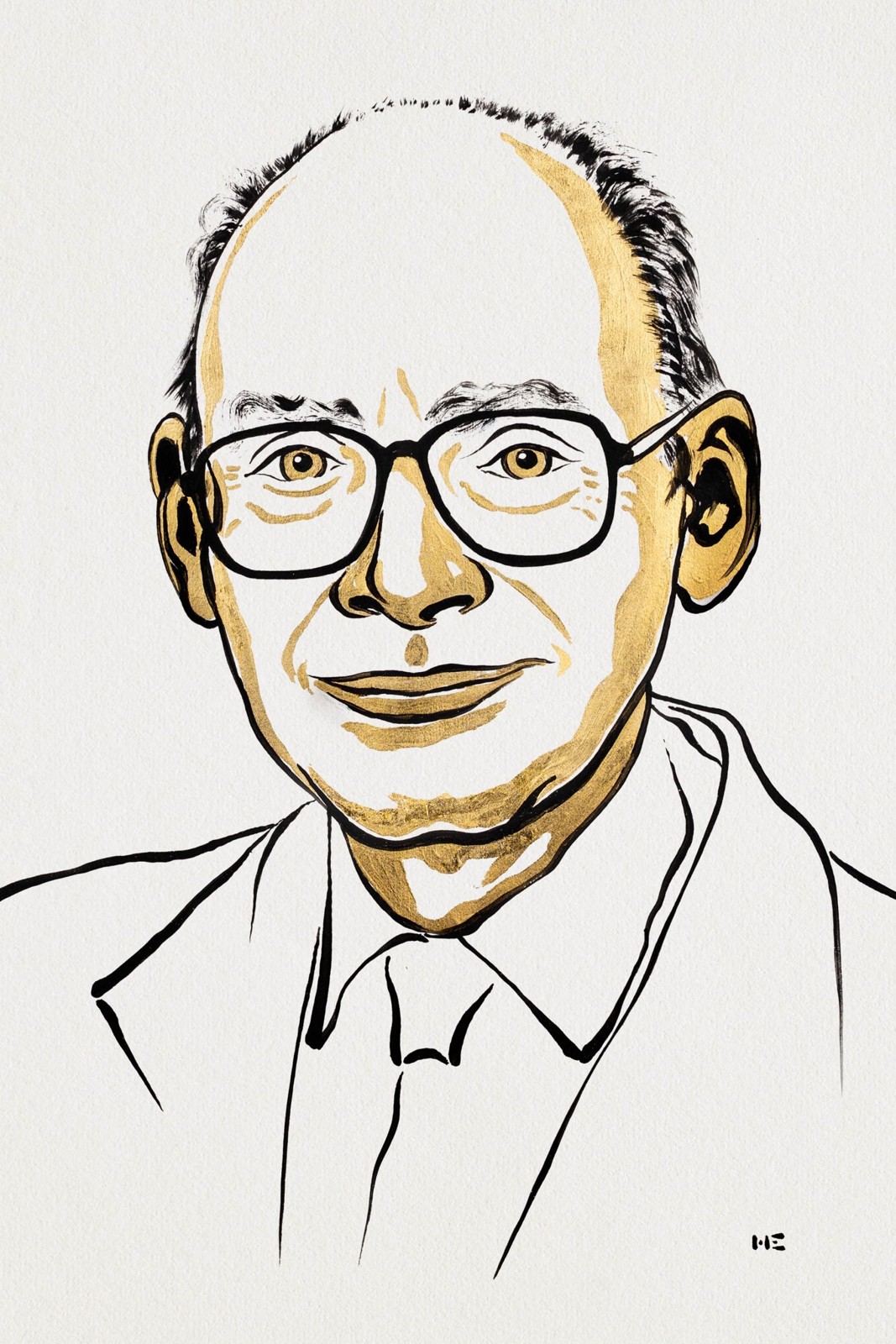
Kagan and Kenso Soai are recognised for discoveries showing how chemical reactions can strongly favour one mirror-image form of a molecule.
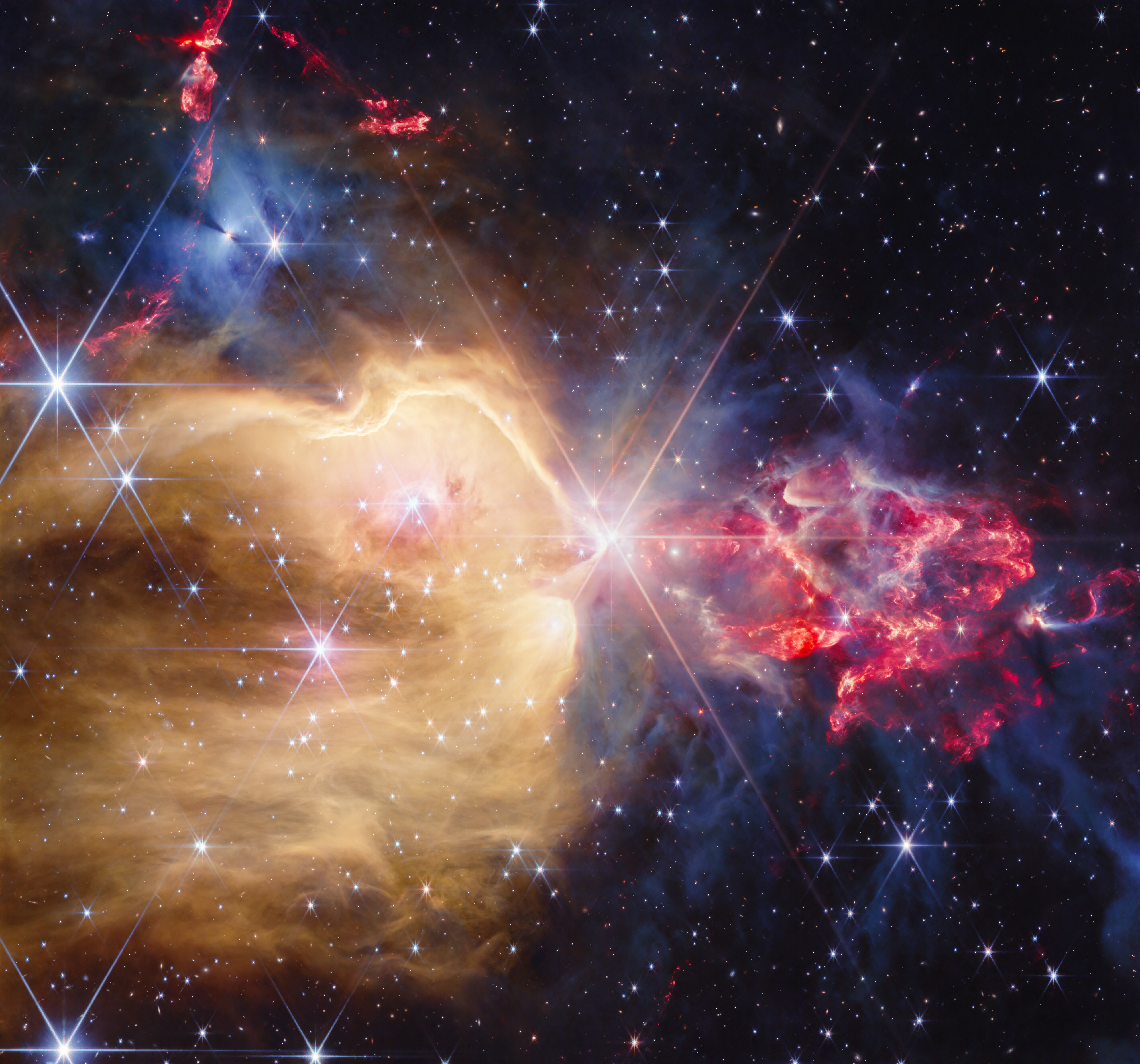
An infrared image separates a glowing stellar cavity from the younger protostars driving jets into surrounding gas.
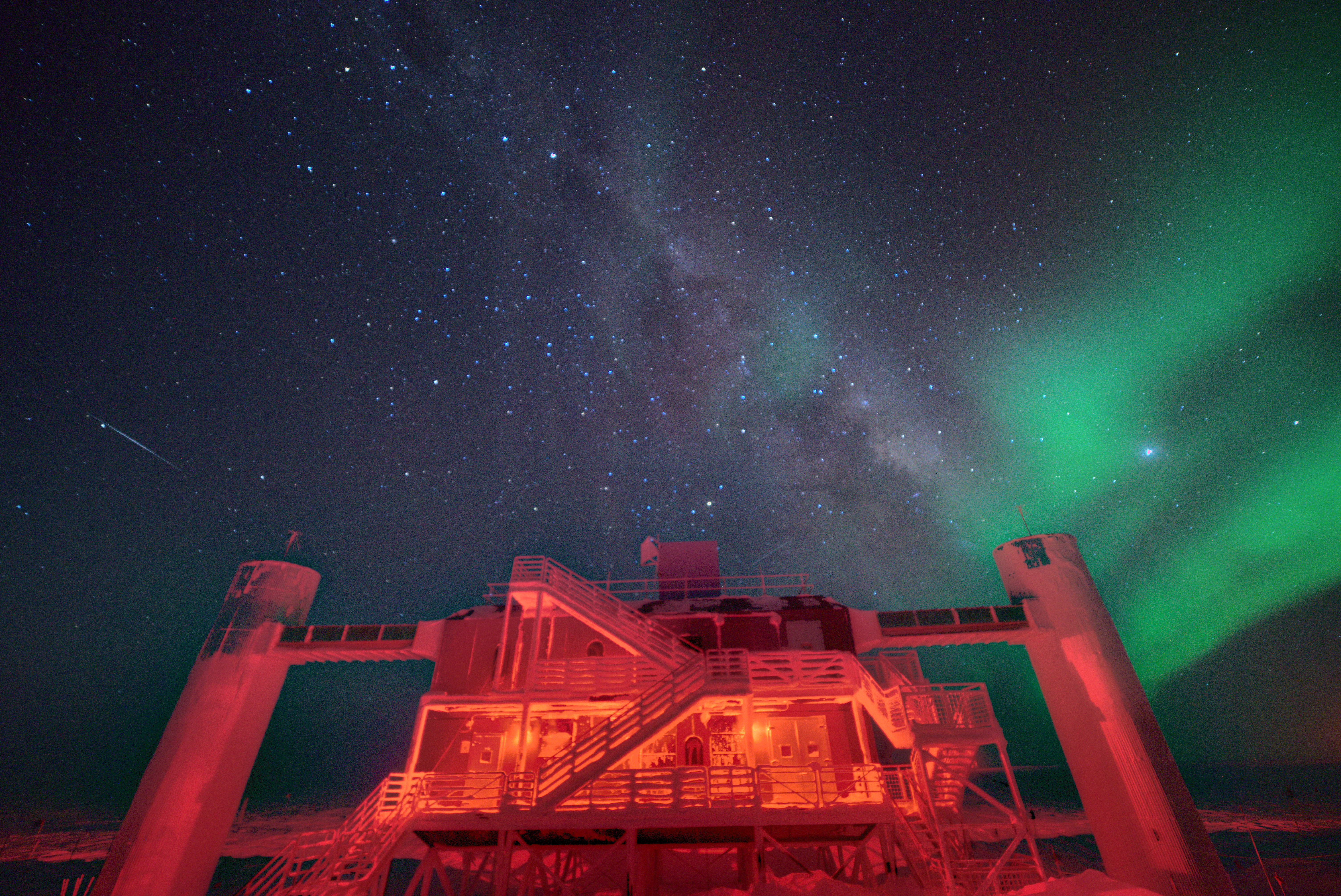
The Antarctic observatory turns rare particle interactions into a new way of studying the distant universe.